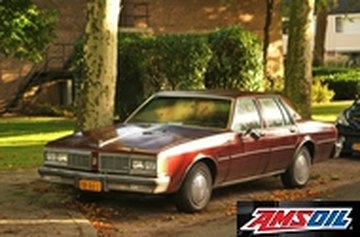
Maintaining Lubrication Standards for the 1980 Oldsmobile 88 3.8L
Proper engine maintenance is a cornerstone of long-term vehicle health, particularly for an engine that has been in operation for several decades. For the 1980 Oldsmobile 88 equipped with the 3.8L engine, staying proactive with lubrication and routine inspections can help manage the natural aging processes associated with older mechanical systems.Monitoring Fluid Integrity and Consumption
One of the most effective ways to monitor the health of a 3.8L engine is through regular observation of fluid levels and condition. As vehicles age, changes in how they consume or retain lubricants may occur. It is useful to establish a baseline by checking the oil level frequently and noting any significant changes over time. If you notice a decrease in lubricant levels between service intervals, this warrants investigation. A reduction in fluid can be associated with various factors, ranging from minor seepage at sealing surfaces to different consumption patterns during operation. Similarly, the appearance of the oil itself can provide clues. While new oil has a specific clarity and color, older oil may darken or change texture due to heat and use. If the lubricant appears excessively dark or contains visible particulates, it is an indication that the service interval may need to be addressed more strictly. Furthermore, keep an eye out for any external signs of leakage. Inspecting the area around the engine for wetness or residue can help identify if gaskets or seals are beginning to show signs of age-related seepage. Addressing small seeps early can prevent more significant issues later on.Systematic Inspection of Engine Components
Beyond the oil itself, a comprehensive maintenance approach involves inspecting the various components that support engine operation. For a 1980 Oldsmobile 88, this includes looking at several peripheral systems:- Sealing Surfaces: Periodically inspect accessible gaskets and seals for any evidence of weeping or active leaks.
- Cooling System: If the vehicle is equipped with a liquid cooling system, check hoses for signs of softening, cracking, or bulging, and look for any evidence of coolant leakage around connections.
- Drive Belts: If equipped, inspect accessible drive belts for signs of wear such as glazing, fraying, or surface cracking.
- Electrical Connections: Ensure that wiring harnesses and electrical connectors near the engine remain secure and free from significant corrosion or heat damage.
Managing Maintenance Records for Longevity
For owners of a classic vehicle like the 1980 Oldsmobile 88, maintaining a detailed service history is invaluable. A well-kept logbook serves as a roadmap for the vehicle's current condition and helps in making informed decisions about future repairs. If you have recently acquired this vehicle and do not have access to previous records, your first priority should be establishing a maintenance baseline. This involves performing a thorough inspection of all fluids, filters, and major components to determine their current state. Once this baseline is set, every subsequent oil change, filter replacement, or part repair should be documented with the date and mileage. Having these records allows you to distinguish between routine wear and unexpected changes. For example, if you know exactly when the last major service was performed, you can more accurately judge whether a new symptom is a sudden development or a gradual progression. This level of detail is especially helpful when discussing maintenance needs with professional technicians.Prioritizing Service Tasks as the Vehicle Ages
As an engine reaches higher mileage and greater age, not all maintenance tasks carry the same urgency. Effective ownership involves prioritizing tasks based on the actual condition of the vehicle rather than following a generic schedule that may not apply to your specific car. If you encounter active leaks or notice warning indicators, these should be addressed immediately. Once the immediate concerns are resolved, focus on preventive measures that maintain the engine's operating environment. This includes ensuring the air filtration system is clean and that the lubrication remains within the correct specifications. It is also important to distinguish between necessary maintenance and unnecessary parts replacement. Just because a component is old does not mean it requires replacement; if a part is functioning correctly and shows no signs of deterioration during inspection, there may be no need to intervene. Focus your resources on addressing active issues and maintaining the integrity of the systems that keep the engine running smoothly.Identifying Potential Operating Symptoms
Understanding how the engine behaves under different conditions can help you catch potential issues early. It is important to remember that many symptoms can have multiple underlying causes, so a single observation should be treated as a prompt for investigation rather than a definitive diagnosis. For instance, an unusual noise during startup or while idling may indicate something related to the lubrication system or mechanical components, but it could also be related to mounting or electrical issues. Similarly, changes in exhaust characteristics or unexpected odors near the engine bay should be investigated promptly. If you notice any change in how the vehicle operates immediately following a service, such as a new vibration or sound, re-examine the work performed to ensure everything was reassembled correctly. Always treat new or changing symptoms as signals that the vehicle requires closer attention. Early detection through attentive driving and regular observation is one of the best tools available to a long-term owner.Practical Guidance for Buying Engine Oil for your 1980 Oldsmobile 88 3.8L
When it is time to replenish your engine's lubricant, the most important step is ensuring that the product you select matches the specific requirements of your engine. Because different engines have unique needs regarding additive packages and base oils, you should never rely on general automotive knowledge or assumptions based on the vehicle's age. To ensure proper protection and performance for your 1980 Oldsmobile 88 3.8L, match the engine oil to the application-specific viscosity information already displayed on this webpage. Before completing your purchase, carefully check the product labeling to verify that the oil meets the necessary standards. Depending on your specific needs and the current condition of your engine, you may encounter various options:- Conventional Oils: Standard formulations used for many years.
- Synthetic Blends: A combination of conventional and synthetic base stocks.
- Full Synthetic Oils: Highly engineered oils designed for specific thermal stability and cleanliness.
- High-Mileage Formulations: Some formulations contain additives intended for use in aging engines, including seal-conditioning additives that may help manage older seals.